
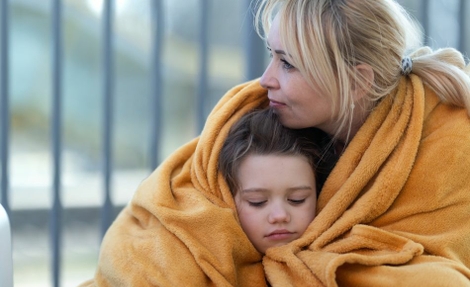
Environmental disasters are becoming more frequent across California and the United States. While no one can predict an emergency, a few simple steps can help protect your health, strengthen your resilience, and provide peace of mind.
September is National Preparedness Month, a reminder that emergencies can happen at any time. Whether it's a natural disaster or an unexpected power outage, disruptions can affect daily routines, access to care, and the resources people rely on to stay healthy.
"Preparing for an emergency isn't just about food and water. It's also important to plan for health needs, including medications, medical records, eyeglasses, dental supplies, and other essentials that may be difficult to access," said Dr. Jennifer Nuovo, chief medical officer for Blue Shield of California Promise Health Plan. "Taking a few simple preparedness steps today can help protect your physical and mental well-being when the unexpected happens."

During emergencies, Blue Shield helps members stay connected to care by supporting access to health services, replacing critical medical equipment when needed, and providing digital ID cards when physical cards are lost or destroyed.
Dr. Nuovo shares five ways to prepare before disaster strikes.
1. Know the risks in your community
Every community faces different hazards. Understanding the risks most likely to affect your area can help guide emergency plans, supplies, and evacuation routes. Sign up for local emergency alerts and learn evacuation procedures before you need them.
Resources include:
- CalOES MyHazards: Find hazards in your area and ways to reduce risk.
- FEMA’s National Risk Index: Explore disaster risks facing communities nationwide.
- Blue Shield resources on extreme heat safety and wildfire safety.
2. Create a plan for your household
An emergency plan can reduce confusion and help loved ones stay connected during a crisis. Discuss how you'll communicate if separated, where you'll meet, evacuation routes, and the needs of children, older adults, pets, or family members with disabilities.
3. Build an emergency kit with your health in mind
Food, water, flashlights, and batteries are important, but don’t overlook health-related essentials. "The best emergency kit reflects your real life," said Dr. Nuovo. "Include medications, spare eyeglasses, medical-device chargers, important documents, and anything your household needs to stay healthy and comfortable."
If someone in your household relies on refrigerated medications, have a backup plan for power outages.
Consider including:
- Prescription and over-the-counter medications
- First-aid supplies
- Health insurance cards and important documents
- Emergency contacts and medication lists
- Phone chargers and backup batteries
- Spare eyeglasses or contact lens supplies
- Dental care essentials
- Medical devices and mobility aids
- Pet or service animal supplies
- N95 masks for wildfire smoke
Review your kit regularly and replace expired items. Consider reusable containers and rechargeable batteries to reduce waste.
4. Prepare for health-related risks
Environmental emergencies can affect health in different ways. Wildfire smoke can worsen respiratory and heart conditions, extreme heat can increase the risk of dehydration, and power outages can disrupt access to refrigerated medications or medical equipment.
To stay safe:
- Monitor air quality and weather alerts
- Keep medications accessible
- Know nearby cooling centers and clean-air spaces
- Stay hydrated
- Follow guidance from local authorities
People with asthma, heart disease, respiratory illnesses, and other chronic conditions may need additional precautions. Talk with your healthcare provider about preparedness plans tailored to your health needs.
5. Take care of your mental health
Disasters can create stress, anxiety, grief, and uncertainty, before, during, and after an emergency. Having a plan, staying informed, and keeping essential supplies on hand can help create a greater sense of control.
Stay connected with family, friends, neighbors, and community resources, especially older adults or others who may be isolated during emergencies.
If stress or anxiety becomes overwhelming, seek support from a healthcare provider or mental health professional. Blue Shield also supports organizations addressing the emotional impacts of environmental events, including the Climate Mental Health Network, which offers free resources for youth, educators, and caring adults.
Prepare today, be more resilient tomorrow
National Preparedness Month is a reminder to review plans and supplies, but preparedness is a year-round effort. Whether you're updating your medication list, creating a family communication plan, or setting aside an extra pair of glasses, every step can help protect your health in an emergency.
Preparedness also strengthens community resilience. "We're all part of a community, and checking on older adults, people with disabilities, friends, and neighbors can make a meaningful difference during and after an emergency," Dr. Nuovo said.
Dr. Nuovo also encourages volunteering after a disaster. Supporting food or clothing drives, water distribution sites, and other recovery efforts can help communities heal and recover together.
Blue Shield remains committed to helping members stay connected to care, resources, and support before, during, and after emergencies.
Resources
- For Blue Shield members
- Disaster assistance for members affected by mandatory evacuations
- Mental health support through Find A Doctor, the Mental Health Resource Hub, and Wellvolution, our online lifestyle-medicine platform, at no cost to most members
- Stay informed and prepared
- CalAlerts, Ready.gov, and the California Governor's Office of Emergency Services
- Blue Shield Promise’s wildfire flyer and extreme heat flyer
- Youth mental health and climate resilience
- Climate Mental Health Network
- Blue Shield’s BlueSky youth mental initiative
- Blue Shield of California powered by CredibleMind, offering free youth mental health resources
Learn about Blue Shield Promise at blueshieldca.com/en/bsp.
Explore Blue Shield’s environmental resilience and sustainability efforts at citizenship.blueshieldca.com, or in the 2025 Mission Report and Sustainability Dashboard.